
Benelux Chamber Contributes to Shanghai’s 12th Riverside Meeting Hall
On the afternoon of 24 March 2026, the 12th Riverside Meeting Hall was held in Shanghai under the theme “Stabilizing Foreign Trade and Foreign Investment, and Optimizing the Business Environment.” As a key annual dialogue platform, the event brought together representatives of foreign chambers of commerce, consulates general, institutions, and the international business community to engage directly with Shanghai policymakers.
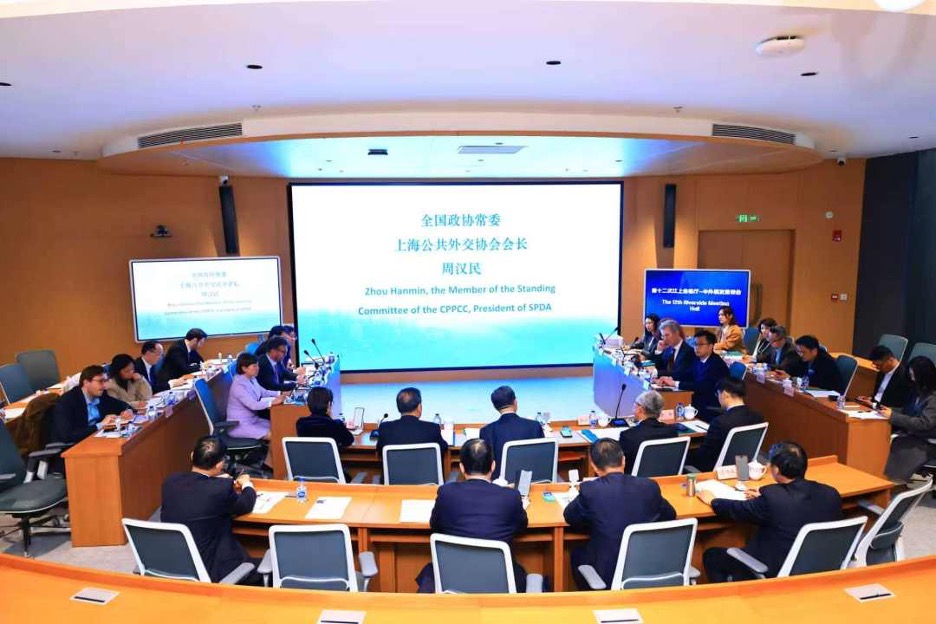
The Benelux Chamber of Commerce was once again invited to participate, reflecting its continued and proactive efforts in supporting and representing the Benelux business community in Shanghai. In preparation for the meeting, the Chamber conducted outreach among its member companies through targeted consultations, one-on-one exchanges, and a structured survey. This ensured that the feedback collected was comprehensive and firmly grounded in the real experiences of foreign-invested enterprises.
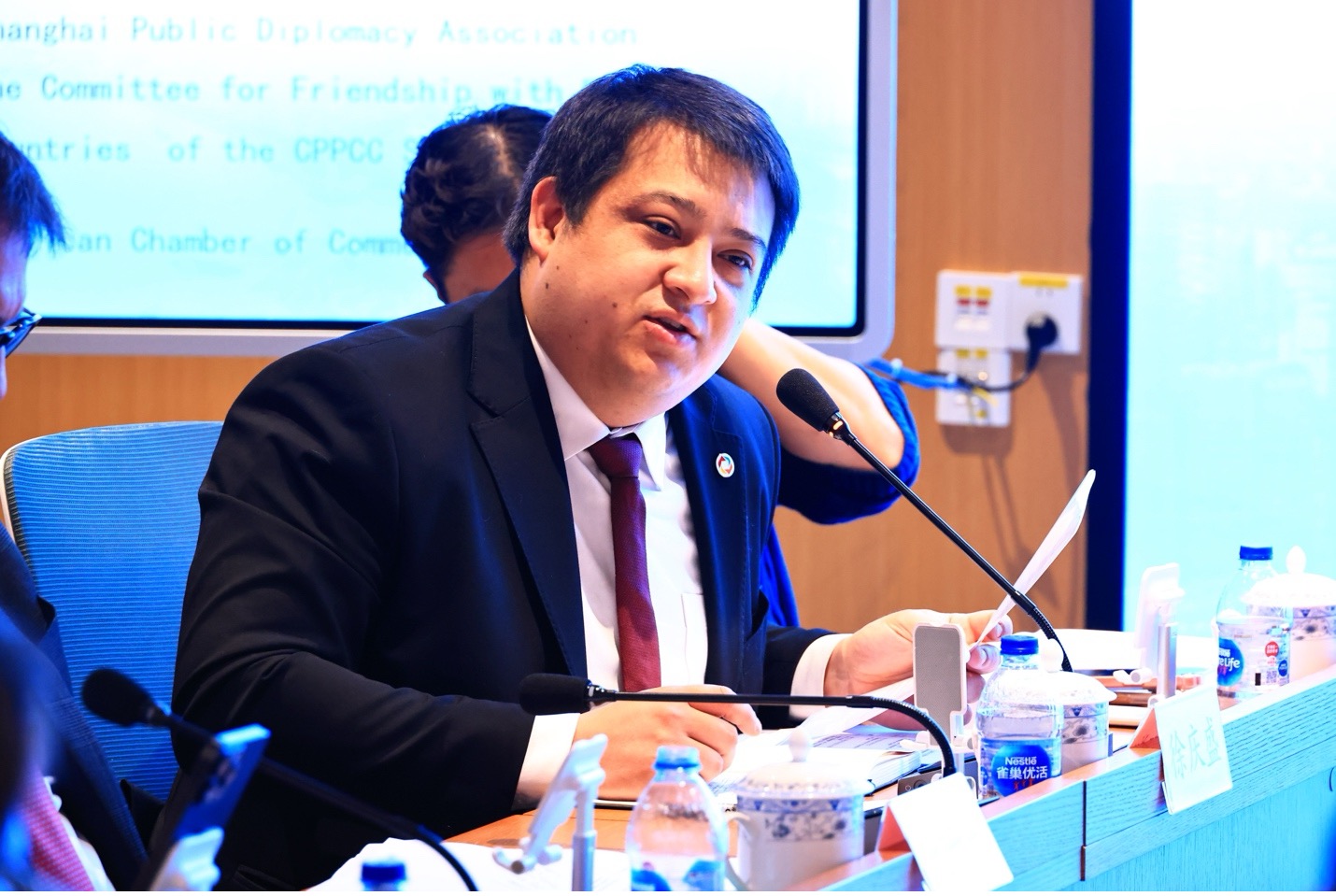
During the meeting, General Manager Jonathan Xu presented these consolidated insights and concrete policy recommendations from the Chamber’s perspective. His feedback highlighted key areas where Shanghai’s business environment for foreign companies can be further improved, effectively conveying the collective voice of the Benelux business community. This contribution once again underscored the Chamber’s role as a vital bridge between its members and local authorities, translating business needs into constructive dialogue and actionable input. Even though advocacy is not a part of the key mission of the Benelux Chamber of Commerce, it is still important to keep communication channels open, candid and well-formed.
The meeting was jointly organized by the Foreign Affairs Committee of the CPPCC Shanghai Committee, the Shanghai Public Diplomacy Association, and the American Chamber of Commerce in Shanghai. It was chaired by Zhou Hanmin, Member of the Standing Committee of the National Committee of the CPPCC and President of the Shanghai Public Diplomacy Association. Mr. Zhou has also been a longstanding supporter of the Chamber, notably co-welcoming around 150 law students from KU Leuven to Shanghai each year.
Set against the backdrop of Shanghai’s continued push for high-level opening-up, the city’s economic performance remains strong. Shanghai recorded GDP growth of 5.4%, outperforming the national average by 0.4 percentage points. The Port of Shanghai maintained its position as a global leader, handling approximately 1.1 billion tons of cargo in the past year. At the same time, foreign direct investment (FDI) inflows increased by 23% year-on-year, reflecting sustained investor confidence, while R&D and innovation-related investment grew by over 13%, significantly above the national level of 7%.
These developments align with the recently introduced Shanghai Action Plan for Building a World-Class Business Environment (2026), which outlines 20 targeted measures aimed at enhancing the city’s global competitiveness. Key priorities include retaining foreign investment, strengthening a law-based and transparent business environment, expanding cross-border financing channels, fostering innovation, and opening more sectors to foreign participation. Free Trade Zones continue to serve as testing grounds for new policies, further reinforcing Shanghai’s role as a pioneer of reform and opening-up.
Shanghai’s industrial strengths remain diverse and globally competitive, particularly in areas such as maritime logistics, biotechnology, food industries, battery technology, circular economy, and horticulture. At the same time, the city is placing greater emphasis on boosting domestic consumption alongside trade growth.
During the discussions, several key topics were raised by participating chambers and enterprises. These included the importance of facilitating the free flow of data, improving intellectual property protection, particularly for European companies, and addressing challenges related to geopolitical uncertainties such as the ongoing conflict in the Middle East. Participants also highlighted structural barriers in sectors such as insurance and finance, where foreign companies continue to face limited market access and missed opportunities.
Additional concerns included restricted access to the green energy sector, as well as limitations in capital market participation, with many foreign companies not being listed in Shanghai and therefore unable to fully leverage local financing channels. Furthermore, the development of surrounding cities was identified as an important factor in enhancing Shanghai’s attractiveness, suggesting that more coordinated regional growth could further strengthen the city’s position as a global business hub.
The Benelux Chamber remains committed to actively contributing to this dialogue, ensuring that the perspectives of its members continue to be heard and translated into meaningful policy engagement.