

Chinese New Year 2026: How the Benelux Welcomed the Year of the Horse
In February 2026, Chinese New Year was celebrated across the Benelux with colour, energy, and a strong sense of community. As the Year of the Horse began on 17 February, cities in the Netherlands, Belgium, and Luxembourg embraced the occasion through parades, performances, and cultural gatherings that brought together locals, Chinese communities, and international visitors.
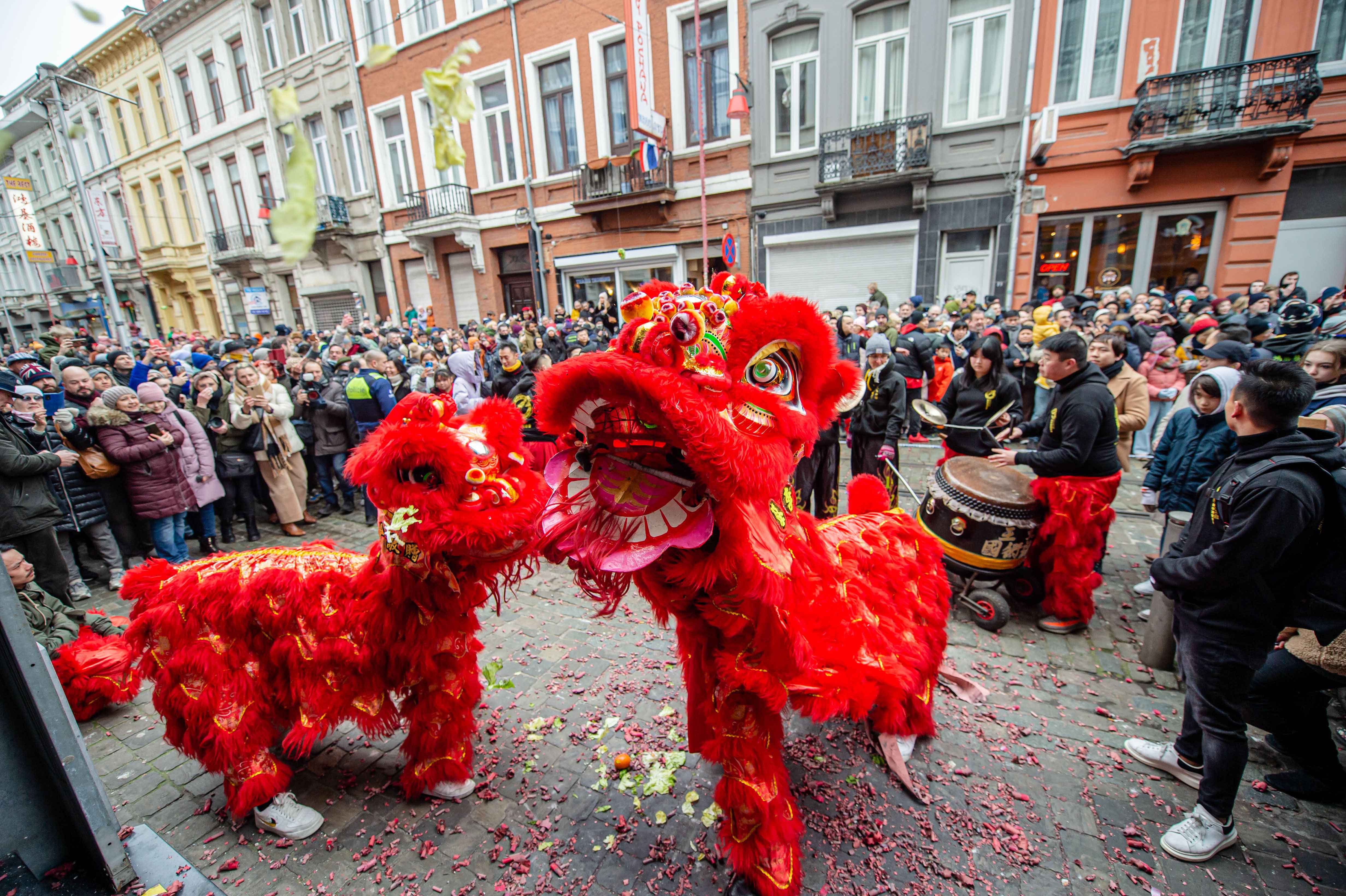
Belgium
In Belgium, Antwerp once again proved why it is considered the heart of Chinese New Year celebrations in the country. Around De Coninckplein, the city’s Chinatown transformed into a vivid gathering place. Red lanterns, music, and street performances set the mood, while dragon and lion dances drew large crowds despite the winter temperatures.
The celebrations attracted not only the local Chinese community but also visitors from across Belgium and neighbouring countries. Families, students, and curious passers-by mingled in the square, enjoying the performances and the festive food stalls.
Elsewhere in Belgium, Lunar New Year events took place on a smaller scale, including cultural evenings and community gatherings in Brussels, where the growing national appreciation for the festival is also important.
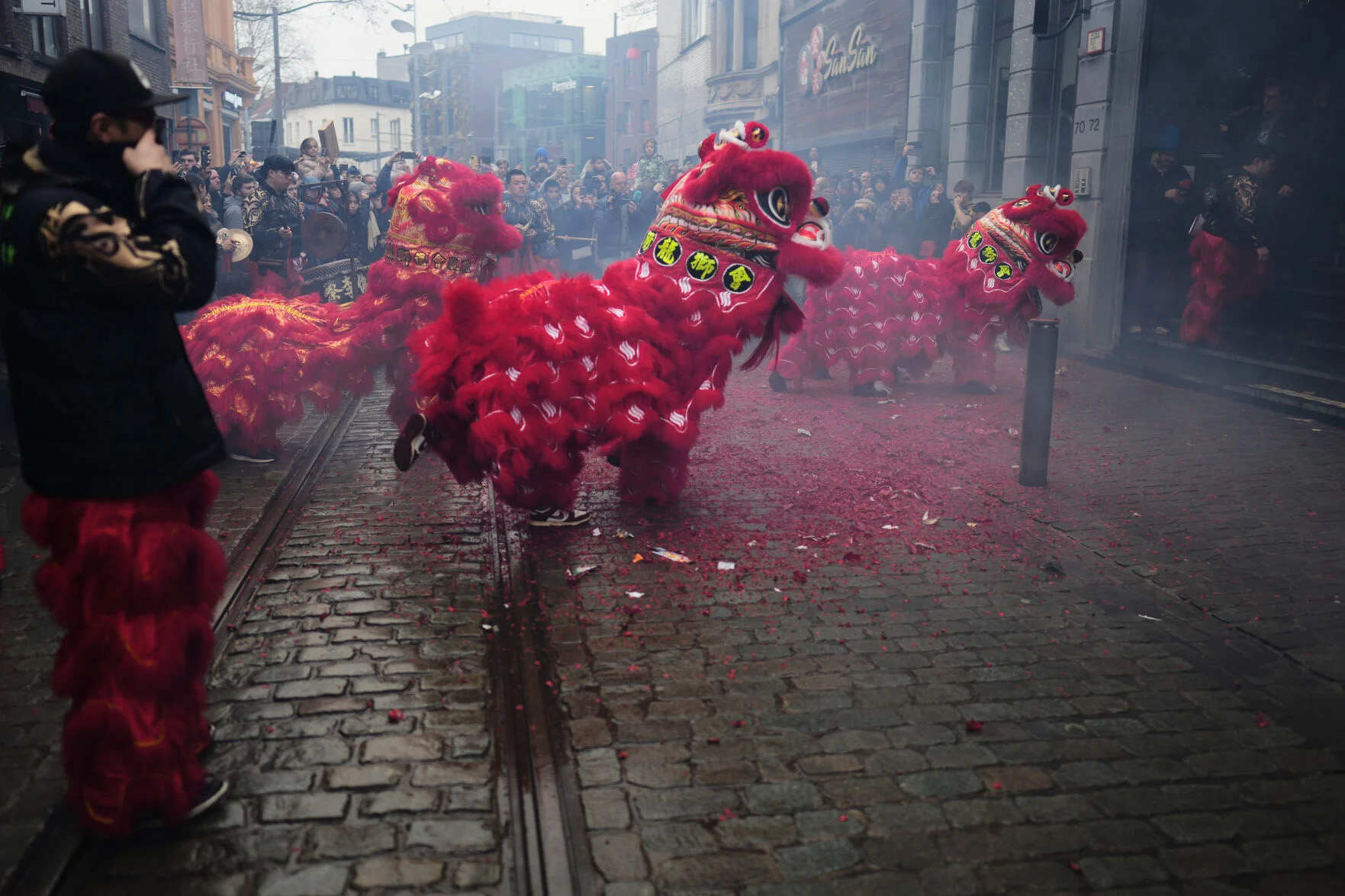
The Netherlands
In the Netherlands, celebrations were once again highly visible, particularly in The Hague. The Atrium of City Hall hosted the official opening of the Spring Festival, where traditional music and cultural performances were enjoyed by visitors.
The festivities continued in The Hague’s Chinatown, where lion and dragon dances filled the streets with movement and rhythm. Crowds gathered to watch performers weave through the neighbourhood, accompanied by drums, red lanterns, and the unmistakable crackle of firecrackers.
Amsterdam also marked the New Year in its well-known Chinatown around Zeedijk and Nieuwmarkt. The area came alive with street celebrations, cultural displays, and restaurants offering special New Year menus.
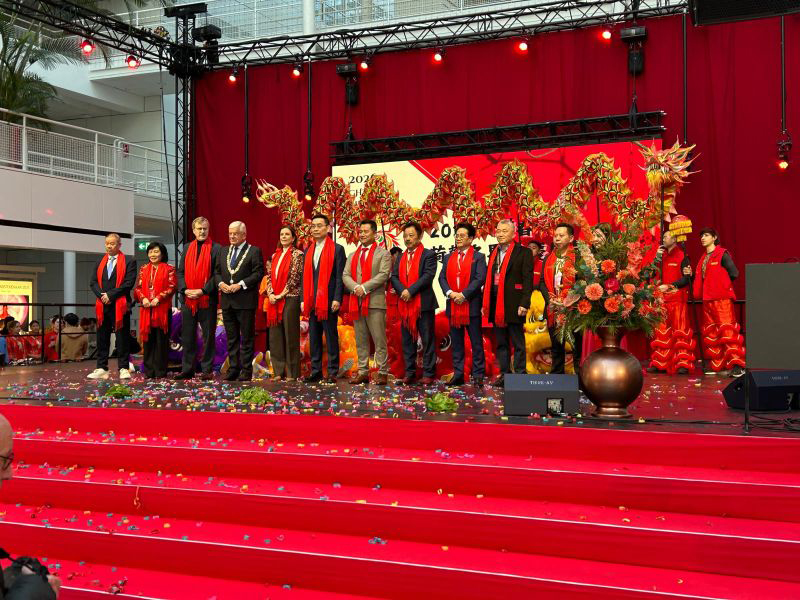
Luxembourg
Luxembourg City kicked off its Chinese New Year celebrations a little earlier than the official date, bringing colour and movement to the capital at the end of January. Place d’Armes became the centre of attention as a dragon parade wound its way through the old town, drawing curious onlookers into the festive atmosphere.
The event, supported by the Confucius Institute of the University of Luxembourg, mixed spectacle with cultural experiences. Visitors could watch traditional performances, then wander between stalls showcasing Chinese calligraphy, painting, and festive delicacies. The contrast between Luxembourg’s historic architecture and dragons and red lanterns was striking.
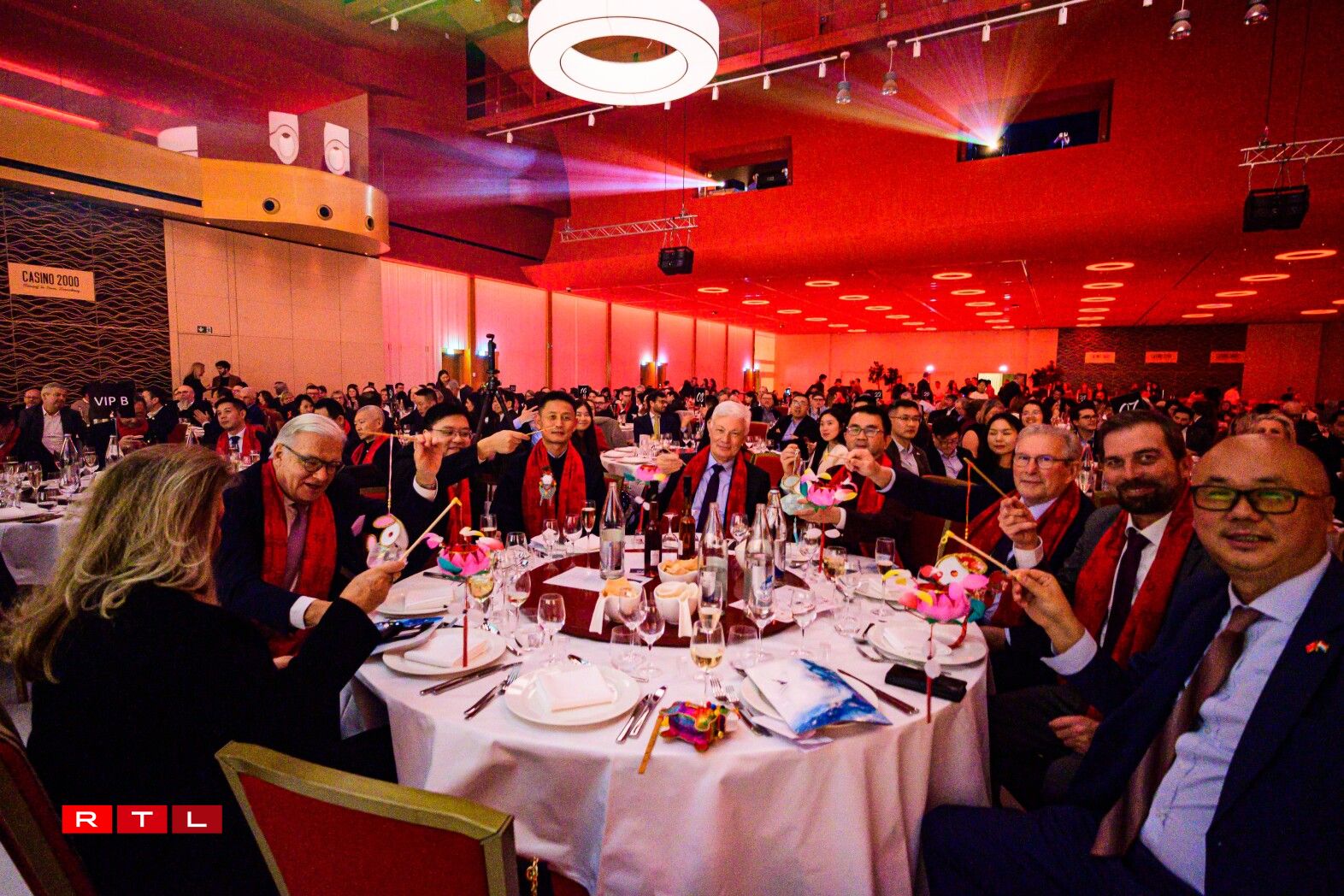
Later in February, the celebrations continued indoors at Circle Cité, where the Chinese Luxembourg Chamber of Commerce hosted a gala dinner. The evening offered a different tone: elegant, social, and very much focused on bringing together members of the business and diplomatic community to welcome the Year of the Horse.
Across Belgium, the Netherlands, and Luxembourg, the Year of the Horse was celebrated with enthusiasm. The parades and performances were an adequate way to set off a year of resilience, confidence, and progress.