

Why Women's Health Is Now on the Executive Agenda
On March 8th, senior executives gathered in Shanghai for the Women’s Health Summit 2026 Corporate Roundtable, an initiative led by Benelux Chamber member FemCourage. The Benelux Chamber is pleased to share key insights from FemCourage’s discussion, which underscored a growing consensus: women’s health is no longer a marginal topic, but an increasingly central business concern.
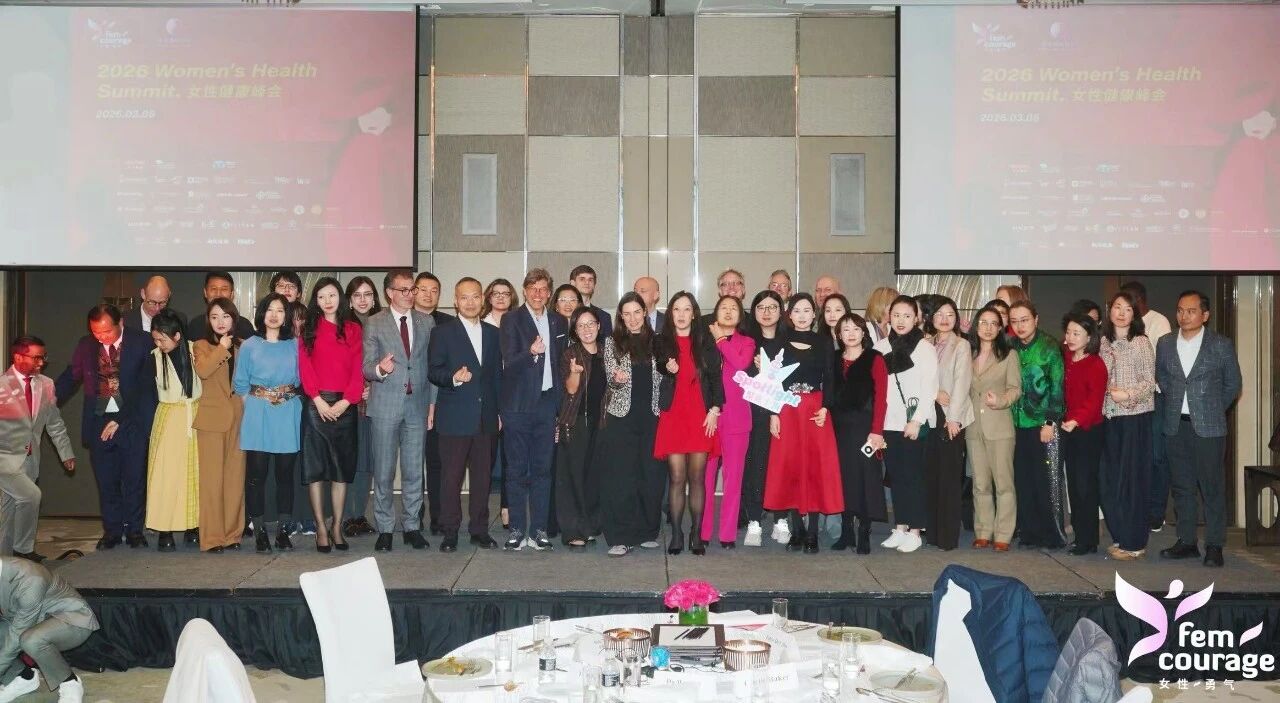
Opening the morning session, neuroscientist and FemCourage founder Laimei Yeung set the tone by emphasising that women’s health is far from an abstract issue. It directly affects employees, families, and entire organisations. Addressing it, she noted, is not only a matter of wellbeing, but also of building systems that enable both individuals and businesses to perform at their best.
This urgency is reflected in recent data. In China’s tier-one cities, a significant majority of women report health-related challenges that impact their professional lives, yet only a small proportion seek support. For companies, this often translates into hidden costs, including reduced productivity, increased absenteeism, and the gradual loss of experienced talent.
Throughout the roundtable, experts from science, policy, and business highlighted the interconnected nature of these challenges. From the neurological effects of chronic stress to the importance of sleep and hormonal health, discussions consistently pointed to one conclusion: women’s health is closely linked to performance and long-term organisational resilience.
Corporate leaders echoed this perspective, observing a clear shift in expectations. Support for areas such as mental health, fertility, and menopause is increasingly seen not as an added benefit, but as a baseline standard. Companies that recognise and act on this shift are not only supporting their workforce, but also strengthening their future competitiveness.
The discussion ultimately reflected a broader transformation. Women’s health is not solely a medical issue; it is part of the foundational infrastructure that sustains organisations and society. The key challenge ahead is no longer awareness, but implementation.
The summit concluded on a reflective note, encouraging participants to recognise that sustainable performance begins with the ability to pause, reset, and care for both body and mind.